


Why the Holidays Take a Bigger Toll on Your Body Than You Think

Holiday stress can affect your sleep, hormones, metabolism, and energy. Here’s what’s happening inside your body—and how to support your health through the busiest season of the year.
The holidays are supposed to be the most wonderful time of the year.
But between shopping, family gatherings, travel, endless to-do lists, and trying to keep everyone happy, they can also be some of the most exhausting.
Maybe you’ve noticed that by January, you’re feeling more tired, your sleep is off, your clothes fit a little differently, or your motivation has disappeared.
And if you’re navigating perimenopause, menopause, or other hormonal changes, the holidays can feel especially challenging.
Here’s what I want you to understand: Your body doesn’t experience stress in isolation.
Stress, sleep, nutrition, movement, and hormonal changes are interconnected. When several of these areas are disrupted at once, you may notice changes in how you feel.
The good news? You don’t need a complete lifestyle overhaul to support your health during the holidays.
You just need to know where to focus.
1. Holiday Stress Can Affect More Than Your Mood
When we talk about stress, we often think about feeling overwhelmed, anxious, or mentally exhausted.
But stress also triggers physical responses throughout the body.
One of the hormones involved is cortisol.
Cortisol is produced by your adrenal glands and plays an important role in regulating blood sugar, metabolism, immune responses, and your body’s response to stress.
Cortisol isn’t a bad hormone. In fact, you need it.
The challenge comes when ongoing stress is accompanied by inadequate sleep, irregular meals, reduced physical activity, and insufficient recovery time.
Over time, these patterns can contribute to fatigue, changes in appetite, difficulty concentrating, and disrupted sleep.
And for women already experiencing hormonal fluctuations during perimenopause, these symptoms may feel even more pronounced.
What About Hormone Imbalance?
Stress doesn’t automatically mean your hormones are out of balance.
However, stress-related symptoms can overlap with symptoms associated with perimenopause, thyroid disorders, and other health conditions.
That’s why it’s important to look at the whole picture rather than assuming cortisol is responsible for everything.
At ME Wellness, we consider your symptoms, medical history, lifestyle, and appropriate clinical testing when evaluating possible hormonal concerns.
2. Your Metabolism Doesn’t Take a Holiday
Let’s talk about something that tends to create unnecessary guilt every January: holiday weight gain.
Between celebrations, changing routines, reduced movement, and disrupted sleep, it’s common for eating and activity patterns to shift.
Stress can influence appetite and food preferences, while insufficient sleep may affect hunger regulation and insulin sensitivity.
Cortisol also plays a role in glucose regulation by helping your body make energy available during stressful situations.
But that doesn’t mean cortisol automatically causes weight gain or that calories no longer matter.
Metabolic health is influenced by multiple factors working together.
And the solution isn’t to punish yourself with restrictive diets when January arrives.
Instead, focus on maintaining a few supportive habits throughout the season.
Simple Ways to Support Your Metabolism
- Include protein and fiber in your meals to support fullness and balanced nutrition.
- Enjoy holiday foods without feeling the need to compensate afterward.
- Take a short walk after meals when possible.
- Maintain your strength-training routine, even if you need to shorten your workouts.
- Prioritize consistent sleep whenever your schedule allows.
Remember, one holiday meal doesn’t determine your metabolic health.
Your overall patterns matter much more.
3. Poor Sleep Can Make Everything Feel Harder
If there’s one thing I encourage patients to protect during the holidays, it’s sleep.
Late-night gatherings, travel, alcohol, stress, and changing schedules can all interfere with restorative rest.
And when you’re not sleeping well, everything else can become more challenging.
You may notice:
- Increased fatigue and difficulty concentrating.
- Greater irritability or emotional sensitivity.
- Changes in hunger and cravings.
- Reduced motivation to exercise.
- More difficulty managing everyday stress.
For women in perimenopause or menopause, night sweats, hot flashes, and hormonal fluctuations can make sleep even more difficult.
How to Protect Your Sleep During the Holidays
Try maintaining a relatively consistent bedtime and wake-up time, even when your schedule gets busy.
Limit caffeine later in the day, create a relaxing evening routine, and keep your bedroom cool and comfortable.
And don’t underestimate the importance of giving yourself permission to say no to one more late-night commitment.
Sometimes the healthiest thing you can do is go home and get some sleep.
4. Your Skin May Reflect the Stress of the Season
Have you ever noticed that your skin seems less cooperative when life gets hectic?
You’re not imagining the connection.
Stress, inadequate sleep, changes in skincare routines, and environmental factors can contribute to breakouts, dryness, and skin sensitivity.
During perimenopause and menopause, declining estrogen levels can also contribute to changes in skin hydration and elasticity.
While stress doesn’t mean your skin will suddenly age dramatically over the holidays, consistent skincare and healthy lifestyle habits can help maintain skin health.
Keep Your Skincare Simple
Focus on the basics:
- Use a gentle cleanser.
- Moisturize consistently.
- Wear broad-spectrum SPF 30 or higher.
- Avoid introducing multiple new products when your skin is irritated.
- Support your overall health through adequate nutrition and sleep.
You don’t need an elaborate routine to take good care of your skin.
Consistency matters more than perfection.
5. Five Ways to Feel Better Through the Holidays
Here’s where I want you to focus your energy.
Not on doing everything perfectly.
Not on avoiding every holiday treat.
And definitely not on adding another overwhelming checklist to your life.
Instead, choose a few habits that help you feel your best.
1. Protect Your Sleep
Aim for seven to nine hours of sleep when possible, and maintain a consistent routine.
2. Prioritize Protein and Fiber
Build meals around nourishing foods that support fullness, energy, and metabolic health.
3. Keep Moving
A 10-minute walk, a quick strength-training session, or a little stretching all count.
4. Make Room for Recovery
You don’t have to attend every event, volunteer for every activity, or say yes to every request.
Rest is productive, too.
5. Pay Attention to Your Symptoms
If you’re experiencing persistent fatigue, unexplained weight changes, significant sleep disturbances, or other concerning symptoms, don’t automatically blame holiday stress.
These symptoms may deserve a closer look.
Your Holiday Wellness Plan Starts Here
You don’t need to wait until January to take care of yourself.
And you certainly don’t need a restrictive detox or an extreme reset to recover from enjoying the holidays.
Your health is built through the choices you make consistently—not through a few perfect weeks.
That’s why we’ve created the Stress-Proof Holiday Playbook, a practical guide to helping you navigate the season with more confidence.
Inside, you’ll find strategies for supporting sleep, metabolic health, daily routines, and overall wellness, along with a weekly reflection tool to help you stay on track.
🎁 Download Your FREE Stress-Proof Holiday Playbook
When It’s Time to Look Deeper
Sometimes what feels like holiday exhaustion may be related to something more.
Thyroid concerns, perimenopause, menopause, metabolic changes, nutritional deficiencies, and other health conditions can share symptoms with chronic stress.
At ME Wellness in Fort Collins, Colorado, we take a personalized, whole-person approach to understanding your health.
Rather than treating every symptom in isolation, we look at your history, lifestyle, and clinical findings to help identify what may be contributing to how you feel.
Our services include functional medicine, hormone health evaluations, metabolic health support, and personalized primary care.
Because healthcare should feel personal.
Frequently Asked Questions
Can holiday stress cause hormone imbalance?
Stress activates hormonal pathways involved in your body’s response to challenges, including cortisol regulation. However, everyday holiday stress doesn’t necessarily cause a hormonal disorder. Persistent symptoms should be evaluated in the context of your overall health.
Why do I feel more tired during the holidays?
Changes in sleep, increased responsibilities, travel, nutrition, and emotional stress can all contribute to fatigue. If fatigue is persistent or unexplained, conditions such as anemia, thyroid disorders, or sleep disorders may also need consideration.
Can stress make perimenopause symptoms worse?
Stress and disrupted sleep can make symptoms such as irritability, fatigue, and difficulty concentrating harder to manage. Perimenopause itself involves hormonal fluctuations, so an individualized assessment can help clarify contributing factors.
Do I need hormone or cortisol testing after the holidays?
Not necessarily. Routine cortisol or extensive hormone testing isn’t recommended simply because you’ve experienced a stressful holiday season. Testing should be based on your symptoms, medical history, examination, and clinical indications.
Where can I get help with hormone and metabolic health in Fort Collins?
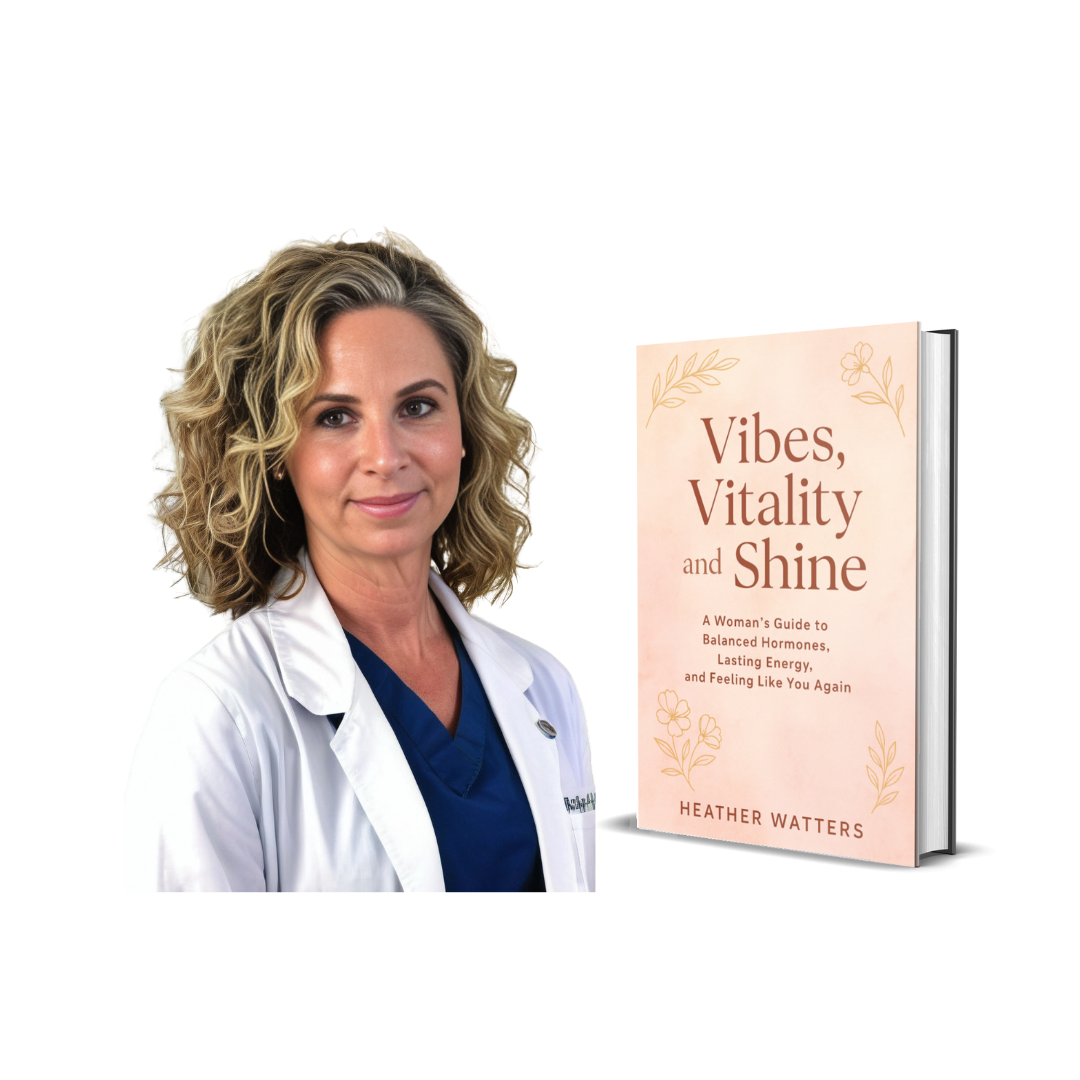
ME Wellness provides individualized evaluations for hormone-related symptoms, metabolic concerns, and preventive health needs in Fort Collins and Northern Colorado. Heather Watters, MSN, APRN, FNP-C, works with patients to develop personalized care plans based on their health goals and clinical needs.